Money & its role
Understanding what money represents and what it does — and does not — determine.
 HELIOS LIFE
Financial inclusion cannot be achieved simply by giving people access to financial products. Access without understanding can create vulnerability.
People increasingly encounter credit, digital payments, insurance, investment products, borrowing, financial marketing and complex financial choices long before they have acquired the knowledge required to evaluate them.
Financial capability therefore involves more than arithmetic.
It requires understanding how financial systems work, how financial products should be evaluated, how risk operates, how debt accumulates, how savings create resilience and how financial decisions interact with long-term life choices.
The Helios approach extends beyond teaching people how to prepare a budget.
Financial capability means developing a broader understanding of the systems, decisions, behaviours and risks that shape economic life.
Understanding what money represents and what it does — and does not — determine.
Much of conventional financial education concentrates on how to earn, spend and save.
Helios asks an additional question:
People study for money, work for money and often organize enormous parts of their lives around obtaining it — yet surprisingly little education is devoted to understanding our psychological relationship with money.
Financial capability should therefore also encourage reflection on consumption, generosity, responsibility, corruption, integrity, ambition, security and the relationship between material prosperity and human wellbeing.
The objective is neither rejection nor glorification of wealth.
The ability to use financial resources intelligently rather than allowing financial pressures, habits or misinformation to dictate one's life.
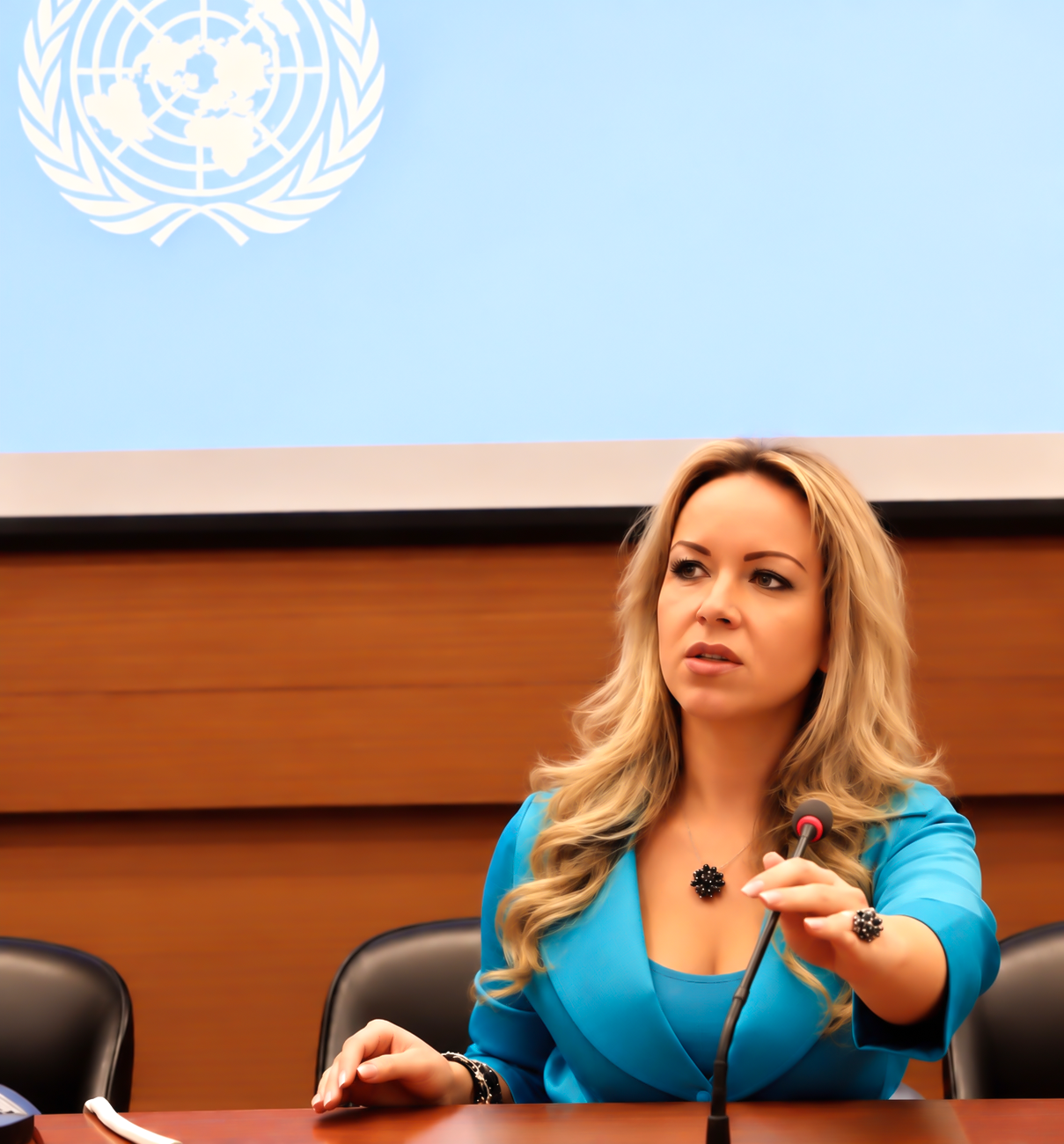
Helios' financial-literacy concept developed through engagement with young people and collaboration with New Hope Cambodia in Siem Reap.
The programme is designed for youth approximately 15–25 years of age, with the potential to evolve into a scalable educational model.
The programme has a wider objective: to instill sound money-management habits irrespective of income level and strengthen the ability of young people to pursue financial security, independence and informed economic participation.
The long-term ambition is to develop a model capable of adaptation across ASEAN and SAARC countries, while respecting the economic realities and educational context of each country.
Economic realities differ. Educational contexts differ. The need for informed financial decision-making remains.
Financial literacy provides knowledge.
Financial capability develops the judgment to apply it.
Conscious Finance asks how financial resources can support rather than define a life.
Money should be a tool.
Agency should remain with the person.